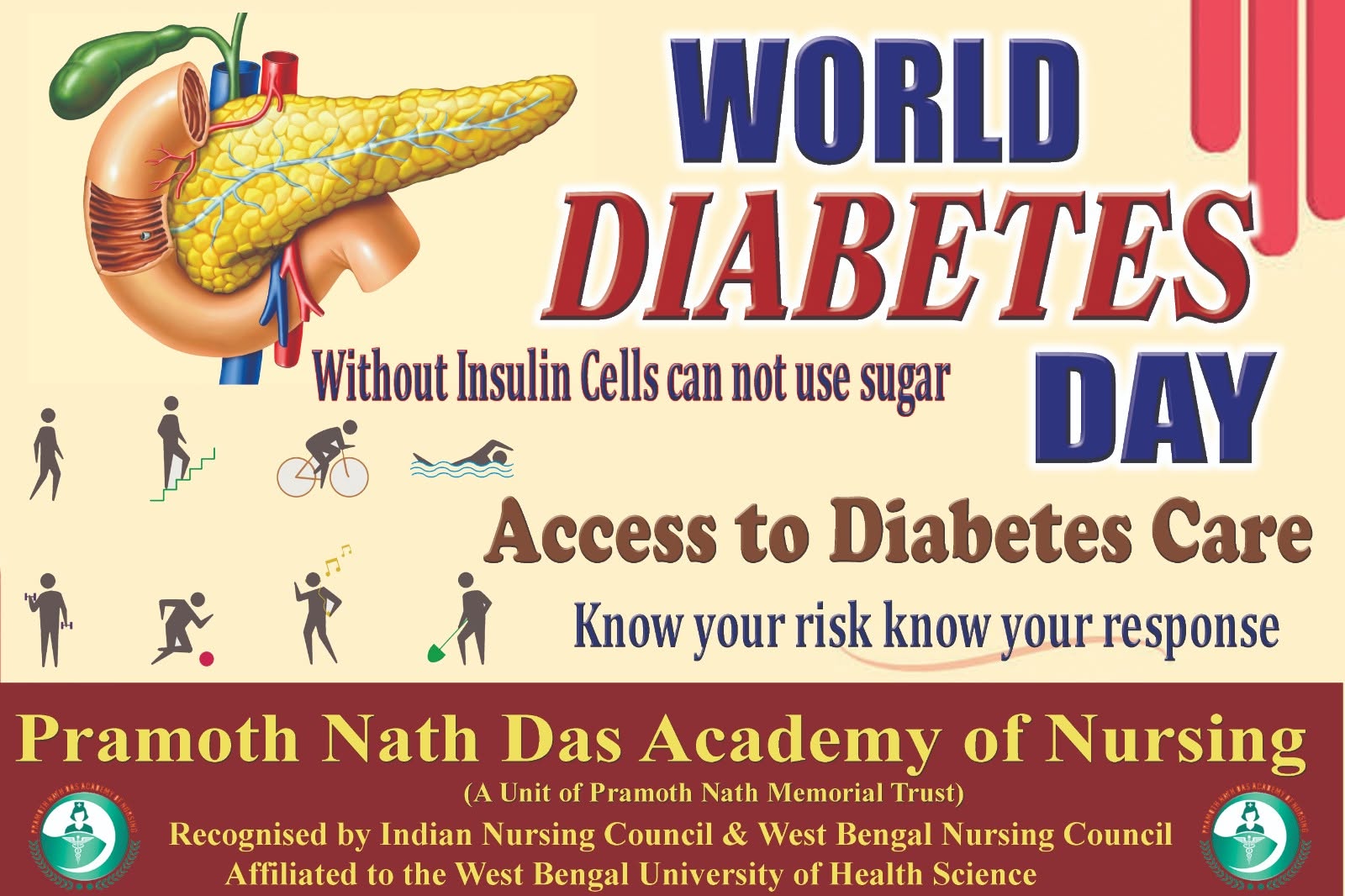
What is Diabetes? Symptoms, Causes & Prevention
Introduction
Diabetes is one of the most common chronic diseases affecting millions of people worldwide. It occurs when the body is unable to properly regulate blood sugar (glucose), resulting in elevated glucose levels in the bloodstream. Glucose is the body's primary source of energy and comes from the food we eat. The hormone insulin, produced by the pancreas, helps move glucose from the blood into the body's cells where it is used for energy.
When the body either does not produce enough insulin or cannot use insulin effectively, blood sugar levels rise, leading to diabetes. If left untreated or poorly managed, diabetes can damage the heart, kidneys, eyes, nerves, and blood vessels, increasing the risk of serious health complications.
There are three main types of diabetes:
- Type 1 Diabetes: An autoimmune condition in which the body's immune system attacks the insulin-producing cells in the pancreas. It usually develops in children or young adults and requires lifelong insulin therapy.
- Type 2 Diabetes: The most common type, accounting for about 90–95% of all diabetes cases. It develops when the body becomes resistant to insulin or does not produce enough insulin. Type 2 diabetes is often associated with obesity, physical inactivity, unhealthy eating habits, and family history.
- Gestational Diabetes: This type develops during pregnancy and usually disappears after childbirth. However, women who have had gestational diabetes are at a higher risk of developing Type 2 diabetes later in life.
Common Symptoms of Diabetes
Many people may not notice symptoms during the early stages. As blood sugar levels increase, common symptoms include:
- Frequent urination
- Excessive thirst
- Increased hunger
- Unexplained weight loss
- Fatigue and weakness
- Blurred vision
- Slow healing of cuts and wounds
- Frequent infections
- Tingling or numbness in the hands and feet
Causes and Risk Factors
Several factors can contribute to the development of diabetes, including:
- Family history of diabetes
- Being overweight or obese
- Lack of regular physical activity
- Unhealthy diet high in sugar and processed foods
- Increasing age
- High blood pressure
- High cholesterol levels
- Smoking and excessive alcohol consumption
- History of gestational diabetes
Prevention of Type 2 Diabetes
Although Type 1 diabetes cannot currently be prevented, many cases of Type 2 diabetes can be prevented or delayed through healthy lifestyle choices:
- Eat a balanced diet rich in fruits, vegetables, whole grains, and lean proteins.
- Limit sugary drinks, sweets, and processed foods.
- Exercise for at least 30 minutes on most days of the week.
- Maintain a healthy body weight.
- Avoid smoking and limit alcohol intake.
- Get regular health check-ups and blood sugar screenings, especially if you have risk factors.
- Manage stress and get adequate sleep.
Diagnosis
Doctors diagnose diabetes using blood tests such as:
- Fasting Blood Sugar (FBS)
- Random Blood Sugar (RBS)
- HbA1c (Glycated Hemoglobin)
- Oral Glucose Tolerance Test (OGTT)
Early diagnosis allows timely treatment and helps prevent complications.
Treatment and Management
Diabetes cannot always be cured, but it can be effectively managed through:
- Healthy eating habits
- Regular physical activity
- Blood sugar monitoring
- Oral medications or insulin therapy, as prescribed
- Routine medical follow-up
- Foot care and regular eye examinations
Possible Complications
Poorly controlled diabetes can lead to:
- Heart disease and stroke
- Kidney disease
- Vision loss and diabetic retinopathy
- Nerve damage (neuropathy)
- Foot ulcers and infections
- Delayed wound healing
Conclusion
Diabetes is a lifelong condition that requires continuous care and management. Understanding its symptoms, causes, and preventive measures can help individuals reduce their risk and detect the disease early. A healthy lifestyle, regular exercise, balanced nutrition, routine health screenings, and proper medical treatment are the keys to living a healthy life with diabetes. With awareness and timely intervention, many of the serious complications associated with diabetes can be prevented.


