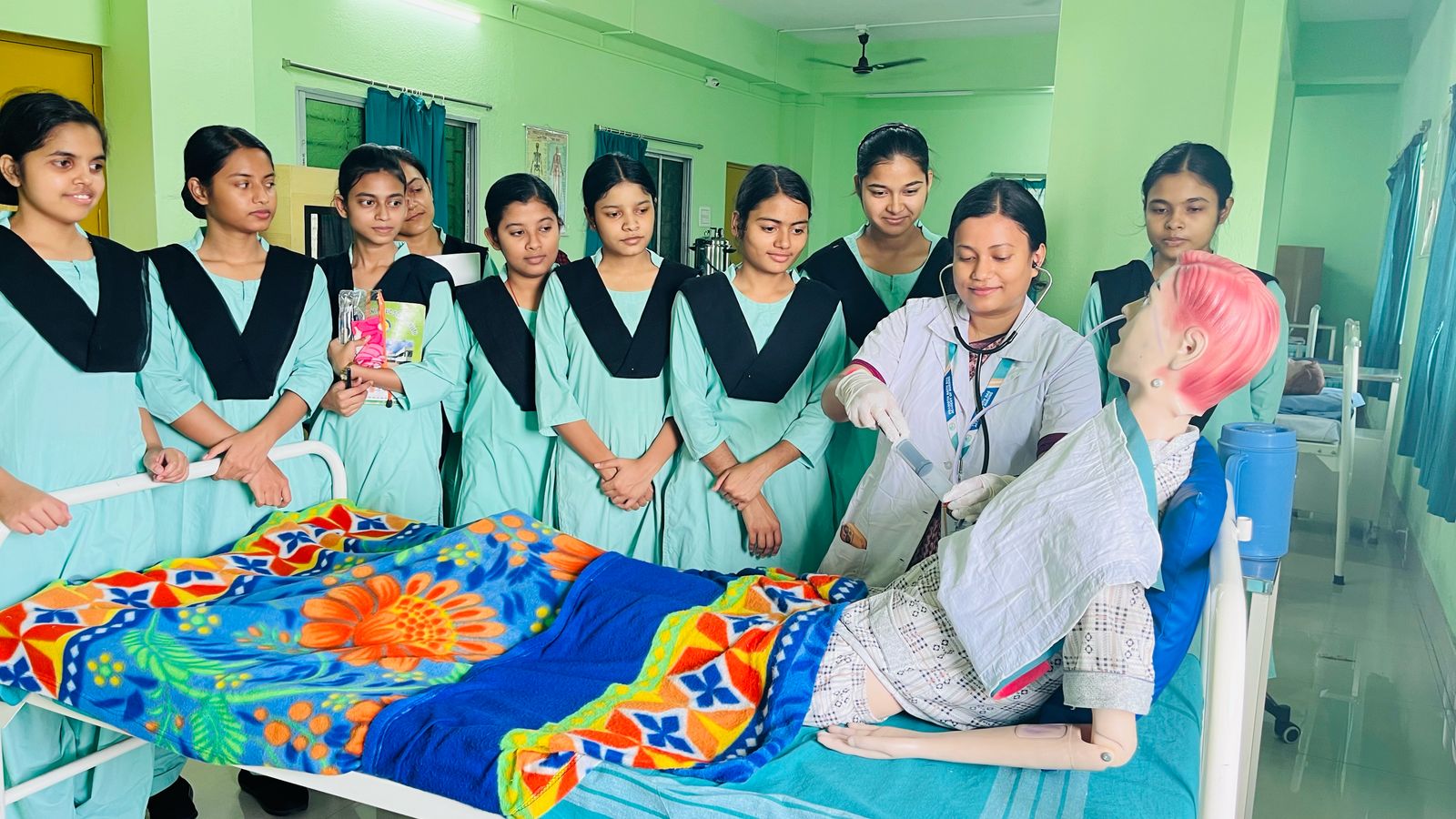
10 Essential Skills Every Nurse Must Learn
Nursing is more than administering medications or assisting doctors. A professional nurse plays a vital role in patient care, safety, communication, and emotional support. Whether you are a GNM or B.Sc. Nursing student, developing the right skills will help you become a confident and competent healthcare professional.
In this article, we'll explore the 10 essential skills every nurse must learn to succeed in nursing education and clinical practice.
1. Effective Communication Skills
Communication is one of the most important skills for a nurse. Nurses interact with patients, doctors, families, and other healthcare professionals every day.
A good nurse should be able to:
- Listen carefully to patients.
- Explain medical procedures in simple language.
- Give clear and accurate reports to the healthcare team.
- Maintain respectful and compassionate communication.
Good communication helps prevent medical errors and builds trust with patients.
2. Critical Thinking and Clinical Judgment
Nurses often need to make quick decisions in emergency situations. Critical thinking allows nurses to assess a patient's condition, identify problems, and take appropriate action.
Examples include:
- Recognizing early signs of patient deterioration.
- Prioritizing patient care.
- Making informed decisions based on clinical observations.
Strong clinical judgment improves patient safety and treatment outcomes.
3. Patient Assessment Skills
A nurse must know how to perform a complete patient assessment.
This includes:
- Measuring vital signs.
- Assessing pain levels.
- Observing physical and mental conditions.
- Identifying abnormal findings.
Early assessment helps detect health problems before they become serious.
4. Time Management
Nurses handle multiple responsibilities during every shift.
Effective time management helps nurses:
- Complete tasks efficiently.
- Administer medications on time.
- Respond quickly to emergencies.
- Reduce stress and workload.
Organized nurses provide safer and more effective patient care.
5. Compassion and Empathy
Patients often experience pain, fear, and anxiety. A caring attitude can make a significant difference in their recovery.
Compassionate nurses:
- Listen patiently.
- Provide emotional support.
- Respect patient dignity.
- Treat every patient with kindness.
Empathy strengthens the nurse-patient relationship.
6. Infection Prevention and Control
Preventing infections is one of the primary responsibilities of every nurse.
Essential practices include:
- Proper hand hygiene.
- Using personal protective equipment (PPE).
- Following aseptic techniques.
- Safe disposal of biomedical waste.
- Maintaining a clean clinical environment.
These practices protect both patients and healthcare workers.
7. Technical and Clinical Skills
Modern nursing requires proficiency in many clinical procedures.
Examples include:
- Measuring vital signs.
- Administering injections.
- IV cannulation.
- Catheter care.
- Wound dressing.
- Oxygen therapy.
- CPR and basic life support.
Continuous practice improves confidence and competence.
8. Teamwork and Collaboration
Healthcare is a team effort. Nurses work closely with doctors, physiotherapists, pharmacists, laboratory technicians, and other professionals.
Effective teamwork involves:
- Respecting colleagues.
- Sharing accurate information.
- Supporting team members.
- Working toward common patient-care goals.
Strong collaboration improves healthcare quality.
9. Documentation Skills
Accurate documentation is a legal and professional responsibility.
Nurses should:
- Record patient observations accurately.
- Document medications and treatments.
- Maintain confidentiality.
- Complete records promptly.
Good documentation ensures continuity of care and protects both patients and healthcare providers.
10. Lifelong Learning and Professional Development
Medicine and nursing continue to evolve. Successful nurses regularly update their knowledge and skills.
Professional development may include:
- Continuing Nursing Education (CNE).
- Workshops and seminars.
- Clinical training programs.
- Advanced certifications.
- Reading current nursing guidelines and research.
Lifelong learning helps nurses deliver safe, evidence-based care.
Conclusion
Becoming a skilled nurse requires dedication, practice, and continuous learning. While technical knowledge is important, qualities such as communication, compassion, critical thinking, and professionalism are equally essential.
Whether you are beginning your journey in GNM or B.Sc. Nursing, developing these ten skills will prepare you to provide safe, ethical, and high-quality patient care throughout your nursing career.


